Archives
- 2026-10
- 2026-09
- 2026-08
- 2026-07
- 2026-06
- 2026-05
- 2026-04
- 2026-03
- 2026-02
- 2026-01
- 2025-12
- 2025-11
- 2025-10
- 2025-09
- 2025-04
- 2025-03
- 2025-02
- 2025-01
- 2024-12
- 2024-11
- 2024-10
- 2024-09
- 2024-08
- 2024-07
- 2024-06
- 2024-05
- 2024-04
- 2024-03
- 2024-02
- 2024-01
- 2023-12
- 2023-11
- 2023-10
- 2023-09
- 2023-08
- 2023-07
- 2023-06
- 2023-05
- 2023-04
- 2023-03
- 2023-02
- 2023-01
- 2022-12
- 2022-11
- 2022-10
- 2022-09
- 2022-08
- 2022-07
- 2022-06
- 2022-05
- 2022-04
- 2022-03
- 2022-02
- 2022-01
-
Apoptosis or programmed cell death is a function
2024-10-29
Apoptosis or programmed cell death is a function of biochemical mechanisms, which are energy-dependent. It is considered to be a vital component of many processes such as normal cell cycle, immune mechanism, atrophy, embryonic development and toxin-induced cell death (Elmore, 2007). In addition, apo
-
In addition to the above mentioned synaptic mechanisms the s
2024-10-29
In addition to the above-mentioned synaptic mechanisms, the serotonergic system also has a critical role in the antidepressant effects of mGlu2/3 receptor antagonists. Indeed, we previously reported that mGlu2/3 receptor antagonists increased the firing rate of serotonin neurons in the dorsal raphe
-
br The Molecular Machinery of Autophagy and
2024-10-29
The Molecular Machinery of Autophagy and Regulation by Sphingolipids Sphingolipid-Mediated Autophagy in Cancer: Dr. Jekyll and Mr. Hyde Autophagy is an evolutionarily conserved stress response that typically promotes survival and antagonizes apoptosis. However, excessive autophagy was found to
-
Inactivation of the proton pump comes with luminal alkaliniz
2024-10-29
Inactivation of the proton pump comes with luminal alkalinization of the targeted vesicles such as lysosomes (Fig. 2b). Lysosome pH can also be raised stoichiometrically by addition of a membrane-permeable weak receptor tyrosine kinase such as methylamine or chloroquine which accumulates in its prot
-
Recent progress has been made
2024-10-29
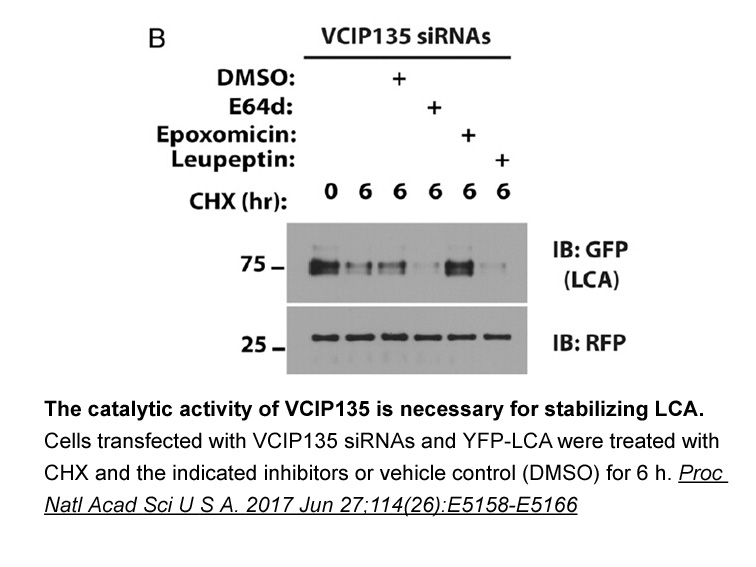
Recent progress has been made in translating animal findings on memory performance and amnestic effects – that are largely determined by tonically active receptors in which α5 contributes to the benzodiazepine binding site. Based on the observation that deletion of this subunit led to improved spati
-
As aforementioned this study aimed to design synthesize and
2024-10-29
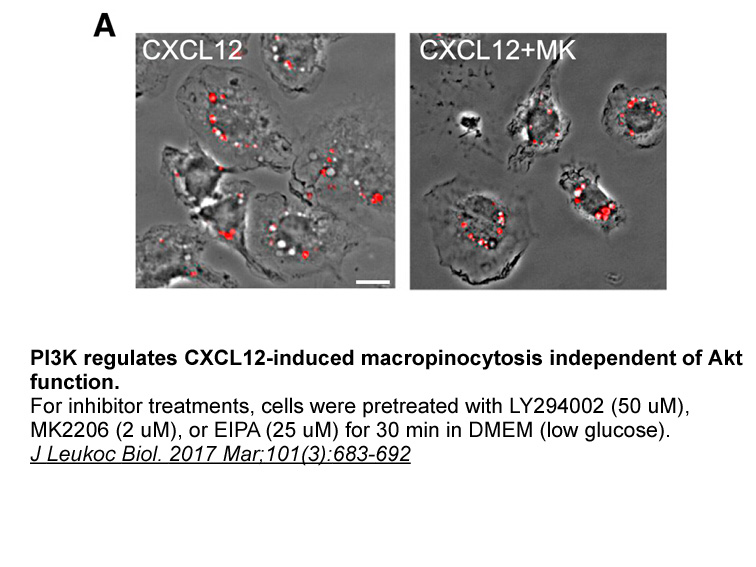
As aforementioned, this study aimed to design, synthesize and investigate aromatase inhibitory and anti-breast cancer activities of N,N′-disubstituted thiourea derivatives. Based on the attractive phenotypic molecule 1, the synthetic N,N′-disubstituted thioureas have been designed including monothio
-
To investigate if WP increased CAT activity in cells C
2024-10-29
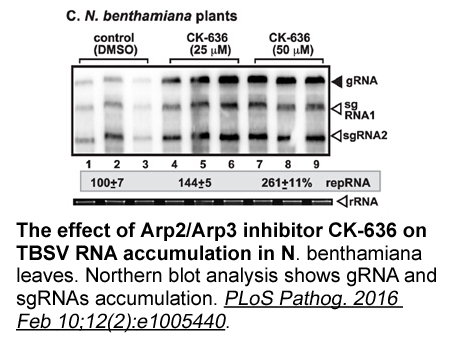
To investigate if WP increased CAT activity in cells, C2C12 muscle cetylpyridinium sale were treated with 0.1 to 0.4 mg/mL of WP (80.05% protein) for 24 h and then stressed with 0.75 mM H2O2 for 1 h (Xu et al., 2011). The CAT activity was significantly enhanced from 15.1 ± 0.7 to 23.7 ± 1.3 U/mg of
-
Introduction Heterotrimeric G proteins mediate signal
2024-10-29
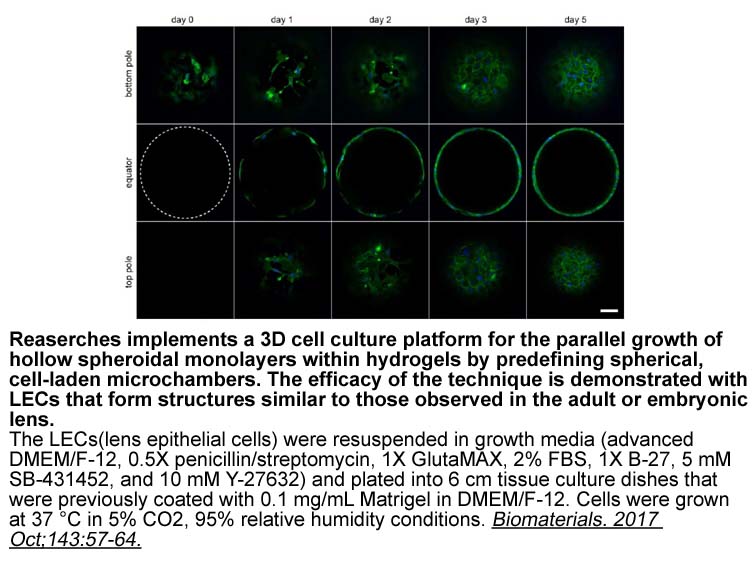
Introduction Heterotrimeric Gαβγ proteins mediate signal transduction through seven-transmembrane domain receptors. In response to neurotransmitters or hormones, activated receptors bind GTP via the Gα subunit leading to the dissociation of Gα from the Gβγ dimer. G proteins regulate the levels of s
-
CHR2797 synthesis In the current investigation we studied th
2024-10-29
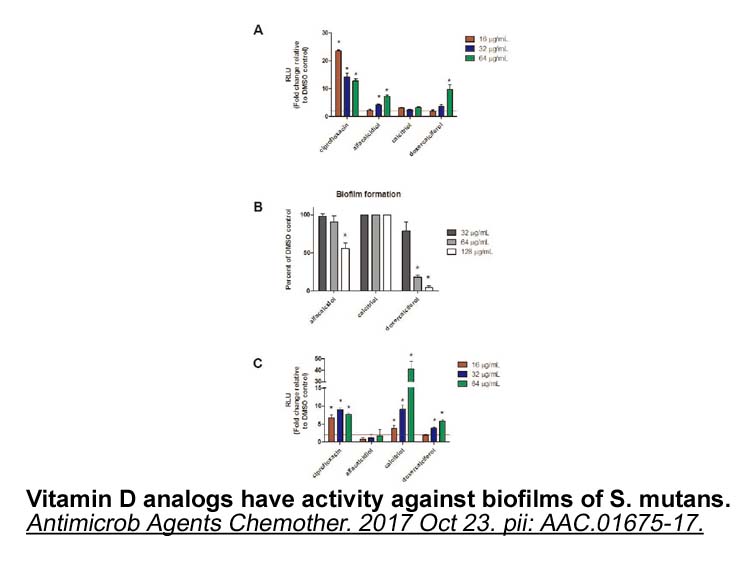
In the current investigation, we studied the effect of propofol on prostate cancer cells. Propofol is one of the most commonly used drugs in the critical care setting and for the induction of general anesthesia and moderate and deep sedation intraoperatively. Recent studies indicated that propofol e
-
PF is orally bioavailable and has
2024-10-29
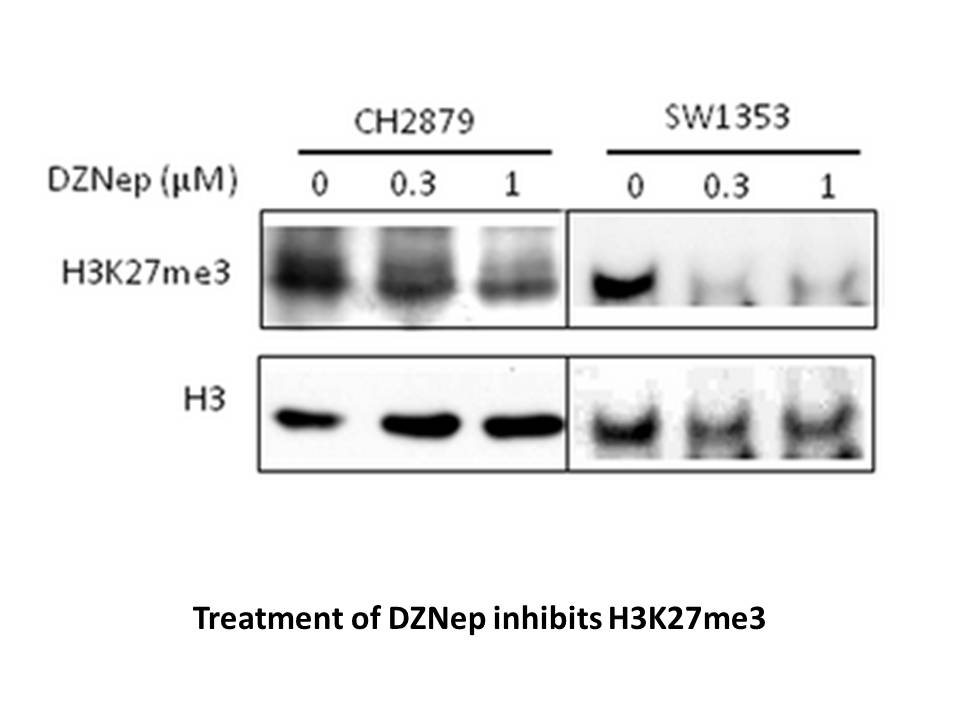
PF-06409577 is orally bioavailable and has appropriate pharmacokinetic properties for use in rodents, allowing us to evaluate its impact on lipid and cholesterol biosynthesis in vivo (Cameron et al., 2016). PF-06409577 lowered the incorporation of 14C-acetate into hepatic lipids in vivo in a dose de
-
ap15 Fish aminopeptidases from Alaska Pollack roe and tuna p
2024-10-29
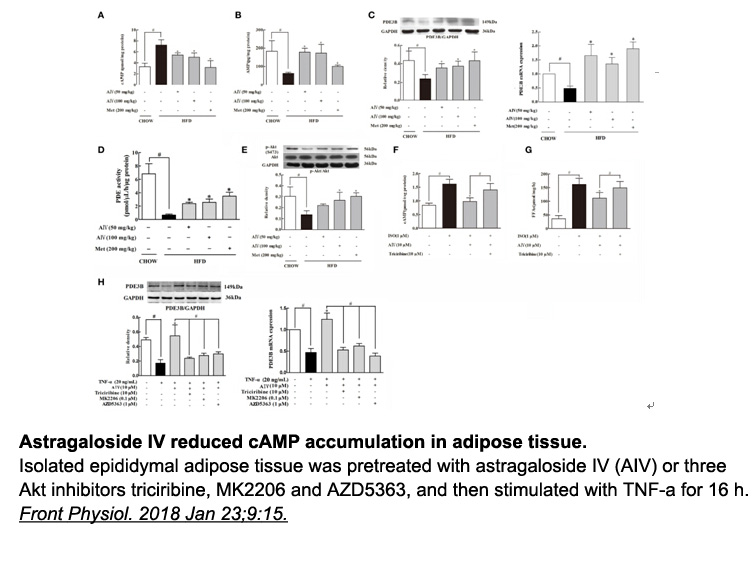
Fish aminopeptidases from Alaska Pollack roe and tuna pyloric caeca have been reported on [12,13]. More recently, we described the purification of a leucine aminopeptidase from the skeletal muscle of the common carp [14], red sea bream [15] and a lysine aminopeptidases from Japanese flounder [16]. T
-
Corticosterone induced inhibition of OCT mediated transport
2024-10-28

Corticosterone-induced inhibition of OCT-mediated transport is rapid and appears to involve direct interaction of the steroid with the transporter at a specific site. Volk et al. (2003) studied OCT2-mediated transport by measuring substrate-induced currents using patch clamp of Xenopus oocytes exoge
-
br Conclusions Triptans are HT B D F receptors
2024-10-28
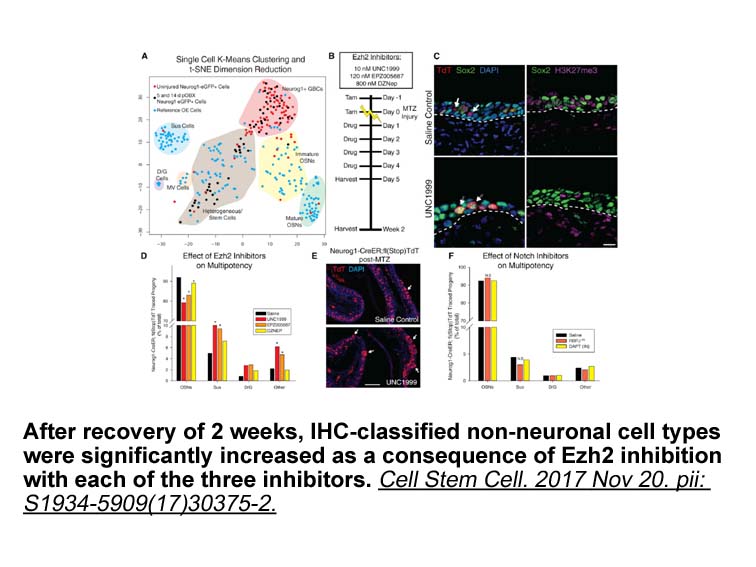
Conclusions Triptans are 5-HT1B/1D/(1F) receptors agonists and are considered as the gold standard for acute migraine treatment that have been proven effective. Unfortunately, they are contraindicated in patients with cardiovascular diseases due to their vasoconstrictor (side) effects (MaassenVan
-
br Occurrence of Inosine in RNA Inosine is
2024-10-28
Occurrence of Inosine in RNA Inosine is widespread among various types of RNAs including transfer RNA (tRNA), ribosomal RNA (rRNA), messenger RNA (mRNA), long noncoding RNA (lncRNA), and microRNA (miRNA). Within these RNAs, inosine can appear in different locations as well. Table 1 lists examples
-
Our study like that of Zill et al
2024-10-28
Our study, like that of Zill et al. (2012) included European Caucasians, although their population was much smaller (n=162) and more heterogeneous (19–72years). Further, potential confounding or effect modification by other health, lifestyle or genetic factors was not considered. These differences m
8691 records 101/580 page Previous Next First page 上5页 101102103104105 下5页 Last page